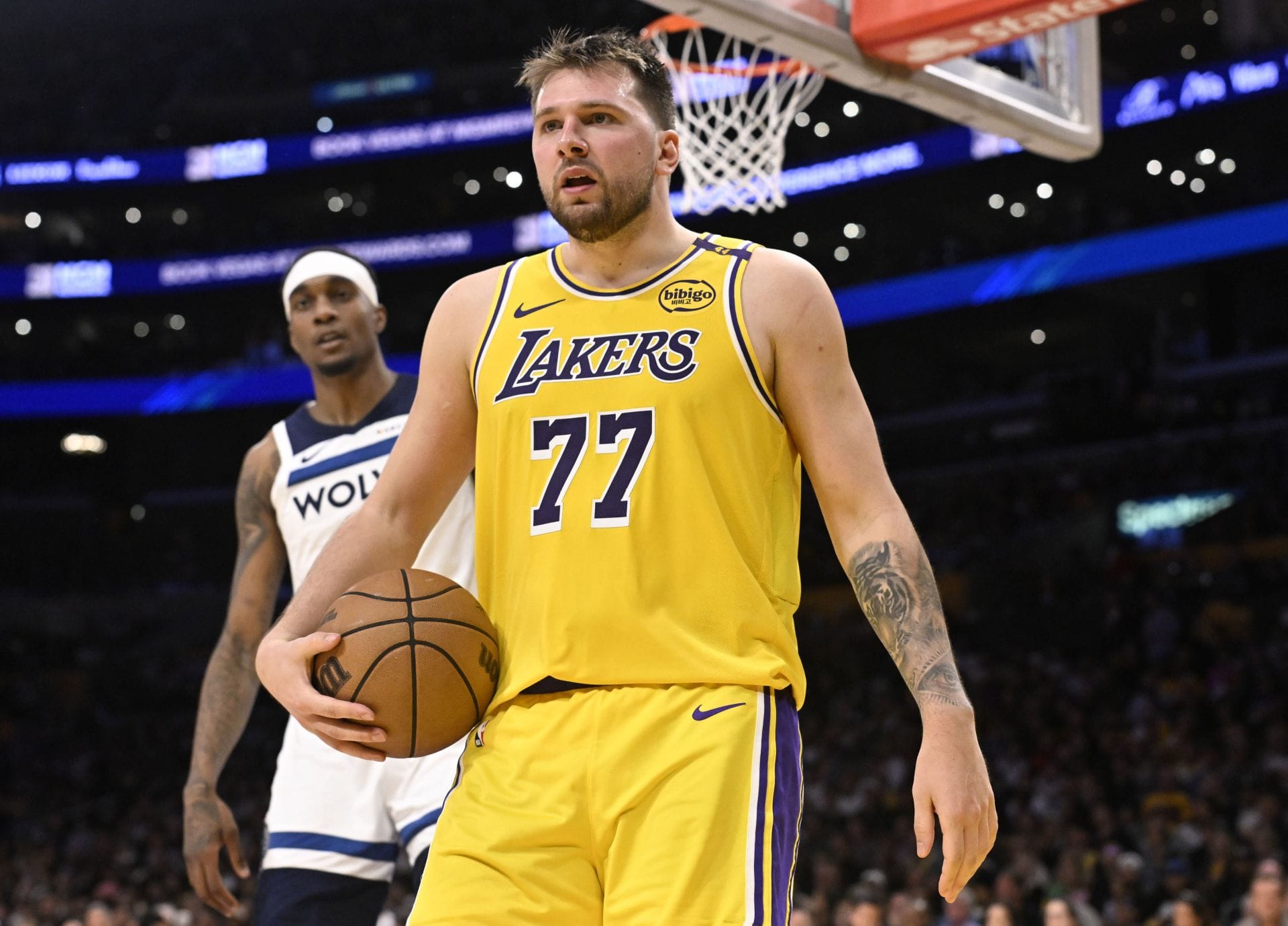
Doncic vs. Poterbin: The Legal Fight for Luka's Name
In the high-stakes world of professional sports, legal battles are not uncommon. However, a personal dispute involving a superstar athlete and his own mother rarely makes headlines. This is precisely why the news that Luka Doncic sued mom, Mirjam Poterbin, sent ripples through the NBA and beyond. The Dallas Mavericks' phenom initiated legal proceedings to gain full control over his own name and brand, a move he described as a "last resort" in a bid to manage his rapidly expanding global identity.
At its heart, this isn't just a family disagreement; it's a profound statement about an athlete's autonomy over their intellectual property and the growing complexities surrounding personal branding in the modern era. While Mirjam Poterbin has been an integral figure in Luka's journey to stardom, their current dispute highlights the critical importance of clear legal frameworks, even within family dynamics, when billions of dollars and a generational legacy are at stake.
The Genesis of the Trademark Dispute: A Mother's Support and a Son's Ascent
Mirjam Poterbin, born February 28, 1974, is much more than just Luka Doncic's mother; she has played a pivotal role in shaping his remarkable career. Before Luka's basketball fame, Mirjam was a public figure in her own right, with a background in modeling. She notably participated in the Miss Slovenia pageant in 1993 at the age of 19. Though she didn't win, her charisma led her to host the popular Slovenian show "Wheel of Fortune." Her modeling and television career provided the financial means and platform that would later support her son's dreams.
When Luka's parents split up when he was just nine, Mirjam took on most of the responsibility, nurturing his prodigious talent. As Doncic rose through the ranks of European basketball, becoming a sensation at Real Madrid, Mirjam managed many of his financial affairs, ensuring he could focus solely on his game. Her dedication was unwavering, making significant sacrifices to provide a better life and opportunities for her son.
The core of the current legal battle traces back to Doncic's rookie year in the NBA in 2018. At that time, with his career just taking off in the United States, Luka granted his mother permission to register his name, "LUKA DONCIC," as a trademark. This decision was likely made out of trust and a desire to protect his emerging brand, with Mirjam intending to use the name for her company. It’s a common scenario where parents, acting as de facto managers, help secure their child's future, particularly before they reach full legal and financial independence. This initial step, seemingly benign and supportive, would later become the central point of contention in the ongoing legal saga.
Why Luka Doncic Sued Mom: Seeking Control of His Global Brand
As Luka Doncic evolved from a promising rookie into one of the NBA's most dominant and marketable superstars, the scope and value of his personal brand exploded. What began as a local Slovenian talent quickly became a global phenomenon, attracting major endorsement deals with giants like the Jordan Brand. With this exponential growth came an increased awareness of the need for rigorous control over his intellectual property.
According to reports from NBA insider Mark Stein, Doncic's motivation behind the lawsuit is clear and compelling. In a statement, Doncic articulated, "I have a lot to look forward to as I continue to grow as a player and a person and it’s important to me to control my own brand and focus on giving back to my communities." This statement underscores a shift in perspective, moving from an athlete managed by family to a global icon determined to direct his legacy and philanthropic efforts.
The push for brand autonomy became particularly evident when Doncic unveiled his new logo for Jordan Brand shoes and apparel. This meticulously designed emblem ingeniously incorporates his initials "LD," his iconic Mavericks jersey number "77," and the letter "S" as a tribute to his home country, Slovenia. This new logo was a strategic move to solidify his unique identity in the marketplace. However, when Doncic attempted to register a trademark for his own name, "Luka Doncic," the application was "preliminarily" rejected by the U.S. Patent and Trademark Office (USPTO). The reason? Existing, conflicting trademarks – specifically the one registered by his mother's company back in 2018.
This rejection was a major catalyst. It meant that despite being the actual person named Luka Doncic, he did not hold clear rights to use his own name for certain business and charitable ventures. As Stein reported, the lawsuit was a "last resort in a bid to gain full control over his name, brand, charitable foundation and business affairs." Prior to filing the petition, Doncic had, in writing, requested his mother's company to relinquish the trademark, but this request went unfulfilled. The lawsuit itself was filed in September 2022, notably after Doncic's impressive 47-point performance against France in the EuroCup Basketball, signaling a decisive moment in his off-court endeavors.
The Complexities of Athlete Branding and Intellectual Property
The situation between Luka Doncic and Mirjam Poterbin vividly illustrates the intricate challenges associated with athlete branding and intellectual property in the modern sports landscape. Today's elite athletes are not just players; they are multinational corporations unto themselves, with their names, images, and likenesses (NIL) holding immense commercial value.
For athletes, controlling their brand is paramount for several reasons:
- Commercial Ventures: Endorsement deals, merchandise lines, and personal businesses (like Luka's partnership with Jordan Brand) rely entirely on clear, undisputed ownership of their name and associated trademarks. Conflicting trademarks can derail lucrative opportunities and create legal headaches for partners.
- Charitable Foundations: Many athletes establish foundations to give back to their communities. Without full control over their name, these charitable efforts can face significant hurdles in branding, fundraising, and legal operation.
- Legacy and Identity: An athlete's name is intrinsically linked to their legacy. The ability to manage how that name is used, marketed, and remembered is a fundamental right.
The involvement of family in an athlete's business, while often starting from a place of love and support, can become incredibly complex. Early career agreements, especially those made when the athlete is young and less experienced in business law, may not anticipate the future scale of their success. It underscores the critical need for independent legal counsel and clearly defined terms from the outset, even with the closest family members.
Trademark law, particularly across international borders, adds another layer of complexity. What might be permissible or common practice in one country could have different implications elsewhere. The USPTO's preliminary rejection of Doncic's trademark application highlights how existing registrations, even if granted with prior consent, can legally impede the primary owner's ability to fully utilize their own identity for future endeavors. This case serves as a crucial reminder for all public figures about the intricate dance between personal relationships and professional intellectual property management.
Lessons from the Doncic-Poterbin Legal Saga
The legal dispute between Luka Doncic and his mother, Mirjam Poterbin, offers invaluable insights and practical lessons for both aspiring athletes and families involved in managing their careers.
For Emerging Athletes: Protecting Your Brand from Day One
- Formalize Agreements: Even with trusted family members, establish clear, written contracts for all business arrangements, including trademark registration and management. These agreements should define roles, responsibilities, and terms for transferring ownership or control as the athlete's career progresses.
- Seek Independent Legal Counsel: Always consult with a qualified, independent attorney specializing in intellectual property and sports law. Do not rely solely on family advice, no matter how well-intentioned. This ensures your best interests are represented.
- Proactive Trademark Registration: Work with legal professionals to proactively register your name, logo, and any other brand assets as trademarks in relevant jurisdictions (both domestically and internationally) as early as possible. This establishes clear ownership and prevents future conflicts.
- Understand Intellectual Property: Educate yourself on the basics of trademark, copyright, and image rights. Understanding these concepts empowers you to make informed decisions about your brand's future.
For Families in Sports Management: Balancing Support and Business
- Define Roles Clearly: Clearly delineate between parental support and business management. If a family member is acting in a managerial capacity, establish professional boundaries and responsibilities.
- Prioritize the Athlete's Long-Term Interest: Decisions regarding intellectual property should always prioritize the athlete's long-term career growth, financial autonomy, and personal legacy. What serves the athlete best in the long run may require difficult conversations in the short term.
- Plan for Evolution: Recognize that an athlete's brand and career will evolve. Agreements made early on should have mechanisms for review, amendment, or transfer of assets as the athlete gains more experience and autonomy.
- Facilitate Independent Oversight: Encourage the athlete to seek independent professional advice (legal, financial) to ensure transparency and accountability.
The Road Ahead: What This Means for Luka's Legacy
The legal fight between Luka Doncic and Mirjam Poterbin is more than just a family disagreement; it's a significant case that could set precedents for athlete brand control. The outcome will directly impact Luka's ability to fully establish his charitable foundation, freely engage in future endorsement deals, and manage his global business affairs without legal encumbrances. While the emotional toll of such a public family dispute is undoubtedly immense, Doncic's unwavering stance underscores the profound importance he places on safeguarding his brand and using it to give back to his community.
The resolution of this case will be closely watched, not only for its legal implications but also for its broader message about the autonomy of athletes in an increasingly commercialized sports world. For a deeper dive into the specifics of this legal battle, read Luka Doncic Sues Mom: The Trademark Battle Explained. To understand the driving forces behind Luka's decision, explore Why Luka Doncic Is Suing His Mom Over Brand Rights.
Conclusion: The saga of Luka Doncic suing his mother over trademark rights is a stark reminder of the complexities that can arise when personal relationships intersect with massive commercial interests. It highlights the growing imperative for athletes to establish clear, legally sound control over their personal brands from the earliest stages of their careers. While family support is invaluable, formal and independent legal guidance is essential to navigate the intricate landscape of intellectual property, ensuring that an athlete's name and legacy truly belong to them.