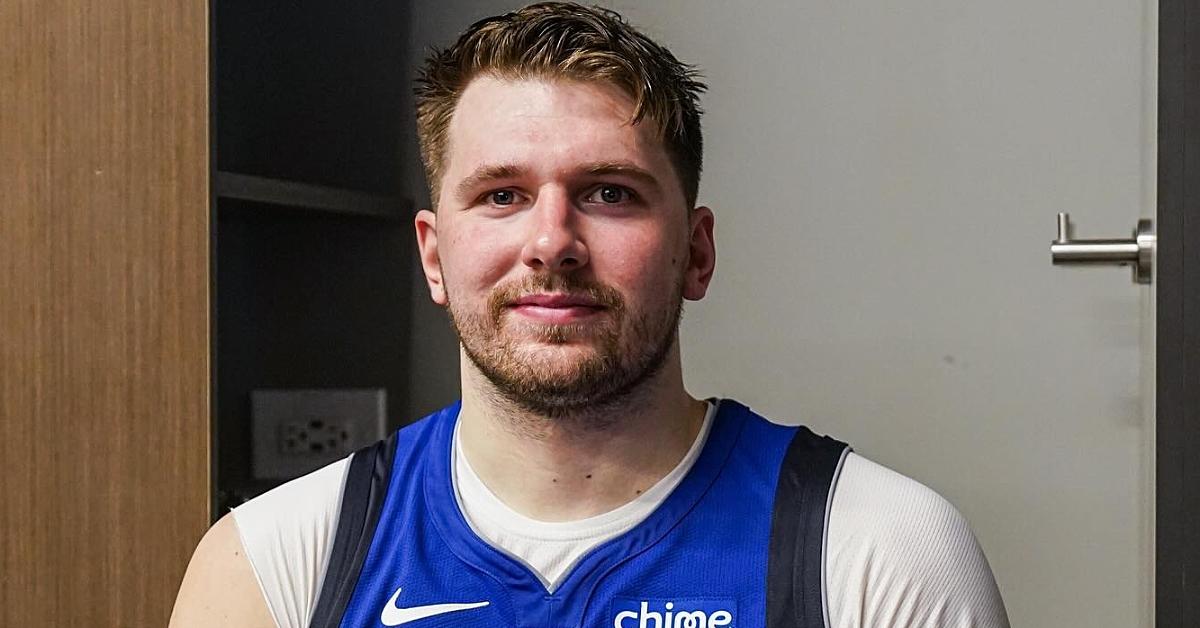
The Unprecedented Legal Battle: Why Luka Doncic Sued His Mom Over Brand Rights
In the high-stakes world of professional sports, legal disputes are not uncommon. However, it's a rare and often surprising occurrence when a superstar athlete finds themselves embroiled in a legal battle with a close family member. Such is the unique and widely reported situation involving Dallas Mavericks phenom Luka Doncic, who made headlines not for his on-court heroics, but because Luka Doncic sued his mom, Mirjam Poterbin, over the control of his trademarked name.
The core of this sensitive and complex case revolves around brand rights and the desire of the Slovenian basketball sensation to gain full autonomy over his identity and future business endeavors. As his career skyrockets and his global influence expands, Doncic views control over his name and brand as paramount, not just for personal gain, but also for his philanthropic aspirations and long-term legacy.
The Roots of the Trademark Dispute: A Mother's Early Support and a Son's Evolving Brand
To understand the nuances of this legal challenge, it's essential to delve into the history of Luka Doncic's rise and his mother's integral role in his early career. Mirjam Poterbin, born on February 28, 1999, played a pivotal part in shaping Doncic’s basketball journey, providing crucial financial and logistical support from a very young age. When Luka was just nine years old, his parents separated, leaving much of the responsibility for his upbringing and burgeoning career on his mother's shoulders.
Mirjam Poterbin herself boasts an interesting background. She was a model in her younger years, participating in the Miss Slovenia pageant in 1993 at the age of 19. Though she didn't win, her media career continued as she hosted the popular show "Wheel of Fortune." Her various ventures, including briefly running a beauty salon with her mother and engaging in entrepreneurial activities, enabled her to provide for Luka and support his basketball dreams as he gained fame in Slovenia and began playing professionally in Europe.
It was during Doncic's rookie year in the NBA in 2018 that he reportedly gave his mother, Poterbin, permission to register and use his name as a trademark for her company. This initial arrangement, likely conceived to manage his early brand representation and commercial opportunities, laid the groundwork for the current dispute. At the time, it was a common and seemingly logical step for an athlete's family to assist in managing their growing profile. However, as Doncic's star power reached stratospheric levels, his understanding of the importance of comprehensive brand control evolved, leading to a desire to reclaim full ownership of his most valuable asset: his name.
A Star's Vision: The Drive for Brand Autonomy and Community Impact
Luka Doncic's decision to pursue legal action against his mother was not taken lightly. According to reports from NBA insider Mark Stein, the lawsuit was a "last resort" in his bid to gain full control over his name, brand, charitable foundation, and business affairs. The conflict arose because the existing trademarks prevented Doncic from holding clear rights to use his own name, particularly for new ventures.
Doncic has been vocal about his motivations. He shared in a statement, "I have a lot to look forward to as I continue to grow as a player and a person and it’s important to me to control my own brand and focus on giving back to my communities." This sentiment underscores a common aspiration among modern athletes: to leverage their platform not just for personal financial gain, but also for meaningful social impact. For Doncic, controlling his brand is inextricably linked to his ability to establish and grow his charitable initiatives and connect authentically with his fan base and community.
The practical implications of this trademark dispute became evident when Doncic attempted to further solidify his brand identity. Last season, he unveiled a distinctive new logo for his Jordan Brand shoes and apparel, incorporating his initials 'LD', his iconic Mavericks jersey number '77', and the letter 'S' to represent his home country of Slovenia. When he subsequently applied to trademark the name "Luka Doncic," his application was "preliminarily" rejected by the U.S. Patent and Trademark Office. This rejection highlighted the direct conflict created by the existing trademarks held by his mother's company, illustrating precisely why the Doncic vs. Poterbin legal fight for Luka's name became a necessity for his long-term branding strategy.
Navigating the Complexities of Family, Fame, and Financial Futures
The legal action initiated by Luka Doncic against Mirjam Poterbin serves as a poignant reminder of the intricate challenges that can arise when burgeoning fame, significant wealth, and family relationships intersect. For star athletes, particularly those who achieve global recognition at a young age, the initial management of their brand and finances often falls to trusted family members. While this can provide invaluable support and guidance during formative years, it can also lead to conflicts as the athlete matures, their business acumen grows, and their vision for their personal brand evolves.
The transition from a promising talent, where family assistance is critical, to a global brand, where professional and independent management becomes paramount, can be a rocky one. In many cases, early agreements, made with good intentions, may not adequately account for the monumental growth and diversification of an athlete's career. For Luka Doncic, this meant the need to consolidate control over his name, which is arguably his most valuable intellectual property.
Practical Considerations for Athlete Brand Protection:
- Early Legal Counsel: It is crucial for athletes and their families to seek independent legal advice from experienced sports and intellectual property lawyers from the very beginning of a career.
- Clear, Detailed Agreements: All financial and brand management arrangements, especially those involving family members, should be documented in comprehensive, legally binding agreements that anticipate future growth and potential changes in responsibilities.
- Periodic Review and Updates: As an athlete's career progresses and their brand value increases, these agreements should be regularly reviewed and updated to reflect current circumstances, future aspirations, and evolving legal standards.
- Separate Business Entities: Establishing clear boundaries between personal finances, family-run entities, and the athlete's primary brand management can prevent conflicts of interest down the line.
- Education on IP Rights: Athletes should be educated about the importance of intellectual property (IP) rights, including trademarks, copyrights, and endorsement deals, to empower them to make informed decisions about their brand.
The Doncic-Poterbin case highlights the delicate balance between personal ties and professional necessities. While Mirjam Poterbin’s early dedication was instrumental, the shift in Luka’s career trajectory demanded a reevaluation of his brand ownership. This dispute, though deeply personal, brings to light universal lessons about brand management and the critical importance of clear, forward-thinking legal structures for public figures.
Conclusion
The lawsuit initiated by Luka Doncic against his mother, Mirjam Poterbin, concerning his trademarked name is a significant moment in the ongoing narrative of athlete brand control. It underscores Doncic's determination to fully manage his identity as he continues to ascend as an NBA superstar. While his mother's early support was undeniably vital, the evolution of Luka's career and his philanthropic ambitions necessitated a legal step to gain clear, unfettered ownership of his brand.
This high-profile case serves as a critical example for other athletes and their families regarding the complexities of managing fame, finance, and intellectual property. As the legal proceedings unfold, the outcome will undoubtedly set precedents for how sports figures assert control over their personal brands, ensuring that their names are not only synonymous with athletic excellence but also with their personal vision and commitment to community impact.